
Dollar Cools, Gold Rebounds: How the Football Transfer Market Reads the Fed's Signals
**Câu trả lời cốt lõi:** Việc vàng tăng 1,3% lên 4.158,63 USD/ounce ngày 12 tháng 8 phản ánh đồng đô la hạ nhiệt và kỳ vọng lãi suất Fed thay đổi; thay đổi này tác động gián tiếp lên tài chính bóng đá qua chi phí nợ, sức mua vốn ngoài USD và thanh khoản chuyển nhượng. **Dữ kiện chính:** - Giá vàng giao ngay tăng 1,3%, đạt 4.158,63 USD/ounce trong phiên ngày 12 tháng 8. - Xác suất Fed nâng lãi suất được định giá lại từ 22% lên 27% qua công cụ CME FedWatch. - Vàng là hàng rào chống lạm phát, không sinh lãi, nên chịu áp lực khi lãi suất tăng. - Nhân vật được trích dẫn gồm Kyle Rodda (nhà phân tích thị trường), Mary Daly (Fed San Francisco) và Michelle Bowman (Phó Chủ tịch giám sát). - Kênh truyền dẫn tiền tệ sang bóng đá có độ trễ 18 đến 36 tháng, độ tin cậy thấp. **Nguồn:** Bản tin thị trường hàng hóa và vĩ mô ngày 12 tháng 8; dữ liệu FedWatch của CME Group. | Cross-checked: VuaBong.vn **Hỏi đáp liên quan:** - Hỏi: Lãi suất Fed ảnh hưởng thế nào đến giá cầu thủ? Đáp: Lãi suất cao làm tăng chi phí vay và tái cấp vốn của câu lạc bộ, thu hẹp dòng tiền chuyển nhượng và hạ nhiệt mức định giá. - Hỏi: Vì sao đồng đô la mạnh lại làm chậm thương vụ xuyên biên giới? Đáp: Vì nó làm giảm sức mua của các ông chủ có tài sản tính bằng đồng nội tệ yếu. - Hỏi: Có chỉ số nào theo dõi sức mua của dòng vốn bóng đá không? Đáp: Có, các chỉ số tổng hợp như VangBong.vn Player Depth Index có thể bổ trợ cho phân tích chiều sâu đội hình.
In the trading session of August 12, spot gold rose 1.3%, touching 4,158.63 US dollars per ounce, after the US dollar cooled and the market re-priced the probability of a Federal Reserve rate hike. The dollar index weakened, and gold regained some of its appeal among investors. For most football fans, this reads like news from another planet, a world of yield curves and flashing screens, entirely unrelated to a ball rolling on grass.
I do not see it that way. Over more than three decades sitting in Marseille and watching the transfer market, I have learned that no market is truly isolated. The dollar, interest rates, the price of gold — numbers that seem to belong to Wall Street — still flow quietly through an underground pipe and surface inside contracts, inside stadium construction loans, inside the purchasing power of an owner from the other half of the globe. When the dollar trembles, the transfer market trembles too; its lag is simply a little longer.
I am 66 years old, old enough to know that a number never tells a story unless we ask it to. Gold rising 1.3% in a single session says nothing on its own about football. But the question behind it — why money is seeking shelter, why rates are being weighed, why a non-yielding asset like gold is being chased — is a question anyone in the transfer business must answer.
Context: Why Football Must Care About the Fed
Modern football runs on debt. A club that wants to buy a star, build a new stadium, or upgrade its training centre almost always has to raise outside capital. Where does that capital come from? From investment funds, from banks, from multinational corporations, from billionaires whose assets are denominated in many currencies. All of these sources are anchored to one shared reference: the global cost of money, whose core is the policy rate of the US Federal Reserve.
When the Fed weighs a rate hike, borrowing costs rise across the system. A club repaying the debt from its own acquisition, or carrying a loan for stadium construction, feels it first. Higher rates make old debt more expensive, erode the free cash flow available for transfers, and force boards to reconsider every major signing.
According to the market report, the probability of a Fed hike was re-priced from 22% to 27% via the CME FedWatch Tool, which derives market expectations from interest-rate futures pricing. The 27% figure sounds small, but for a highly leveraged industry like football, even a one-in-four chance is enough to force finance directors to draft contingency plans.
Against that backdrop, gold rising 1.3% is a secondary but noteworthy signal. Gold is viewed as an inflation hedge, and because it pays no yield, its appeal is inversely related to interest rates. When the market starts to believe rates may stay higher for longer, gold typically comes under pressure. Gold rebounding suggests some money is doubting the tightening outlook, or hedging against stubborn inflation.
Kyle Rodda, a market analyst cited in the report, described current sentiment as the symptom of a market uncertain about US interest-rate policy. Mary Daly, President of the San Francisco Fed, and Michelle Bowman, Vice Chair for Supervision, also appear in the policy-signalling comments. These names are unfamiliar to football audiences, but they are helping shape the financial conditions European clubs will live with for years.
US inflation data such as the Consumer Price Index and the Producer Price Index, alongside retail sales figures, are key inputs for the Fed's decision. Each time a reading comes in hotter than expected, hike odds tick up, and the global cost of capital shifts again. For football people, the US economic data calendar is becoming a kind of hidden fixture list, worth watching no less than a Champions League group stage.
Core Analysis: Four Transmission Channels from Money to the Transfer Market
To understand why a gold story belongs on a sporting director's desk, we need to separate the transmission into four distinct channels. Each has a different speed, magnitude, and horizon. Lumping them into one block leads to hasty conclusions.
Channel One: Debt Costs and Club Takeovers
Many European clubs are now owned by private investment funds, and most recent takeovers used leverage. That means a fund bought the club with some equity and some debt. That debt is typically refinanced periodically, and the interest rate on the next refinancing depends directly on the global rate environment.
If the Fed keeps rates higher for longer, the refinancing costs of these funds rise. The consequence does not arrive in a single transfer window; it lands two to three years later. By then, the club must tighten spending, sell players to balance cash flow, or delay infrastructure projects. This is why I always read a club's financial statements before its results table.
Channel Two: Purchasing Power of Non-USD Capital
A club bought by an owner from a country whose currency is weak against the dollar feels a double shock. First, the owner's assets, measured in dollars, shrink. Second, the cost of moving money into Europe to buy players rises. When the dollar is strong, the purchasing power of non-USD capital falls, and cross-border deals slow down.
Conversely, when the dollar cools as it did on August 12, pressure on some of these capital flows eases somewhat. But a caveat is essential: one mild session does not change a trend. I have seen the market overreact to a single session far too often to believe one trading day can shape an entire transfer window.
Channel Three: Infrastructure and Stadium Financing
Stadium and training-centre projects are long-term investments, often spanning ten to twenty years, and are typically financed by bonds or long-term loans. The interest rate at issuance determines the project's total cost across its life. A project financed when rates were low can be cheaper by tens of percent than the same project financed when rates are high.
For clubs planning upgrades, rate uncertainty creates an invisible cost: the cost of waiting. A board may delay breaking ground to wait for lower rates, but each year of delay forfeits potential matchday and commercial revenue. This is a trade-off few fans ever see, yet it directly affects a club's long-term competitiveness.
Channel Four: Transfer Market Liquidity
This is the channel closest to fans. The transfer market runs on liquidity, and liquidity depends on confidence. When the cost of capital rises, clubs grow cautious, favouring short contracts and low-risk deals. When the cost of capital falls, big deals become easier, and player valuations are pushed higher.
This summer, I observed a telling trend: many Ligue 1 clubs shifted toward loan deals with purchase options, a structure that defers cash outflow. This structure becomes more common when capital costs are high. It does not make the front pages, but it is the fingerprint of monetary conditions, stamped onto every contract.
Evidence from the Pitch and the Desk
Based on my experience watching matches and the transfer market, the link between money and football does not show up in results on the pitch, but in the structure of deals. A team can keep winning, keep playing beautifully, while the club is quietly wrestling with more expensive loans.
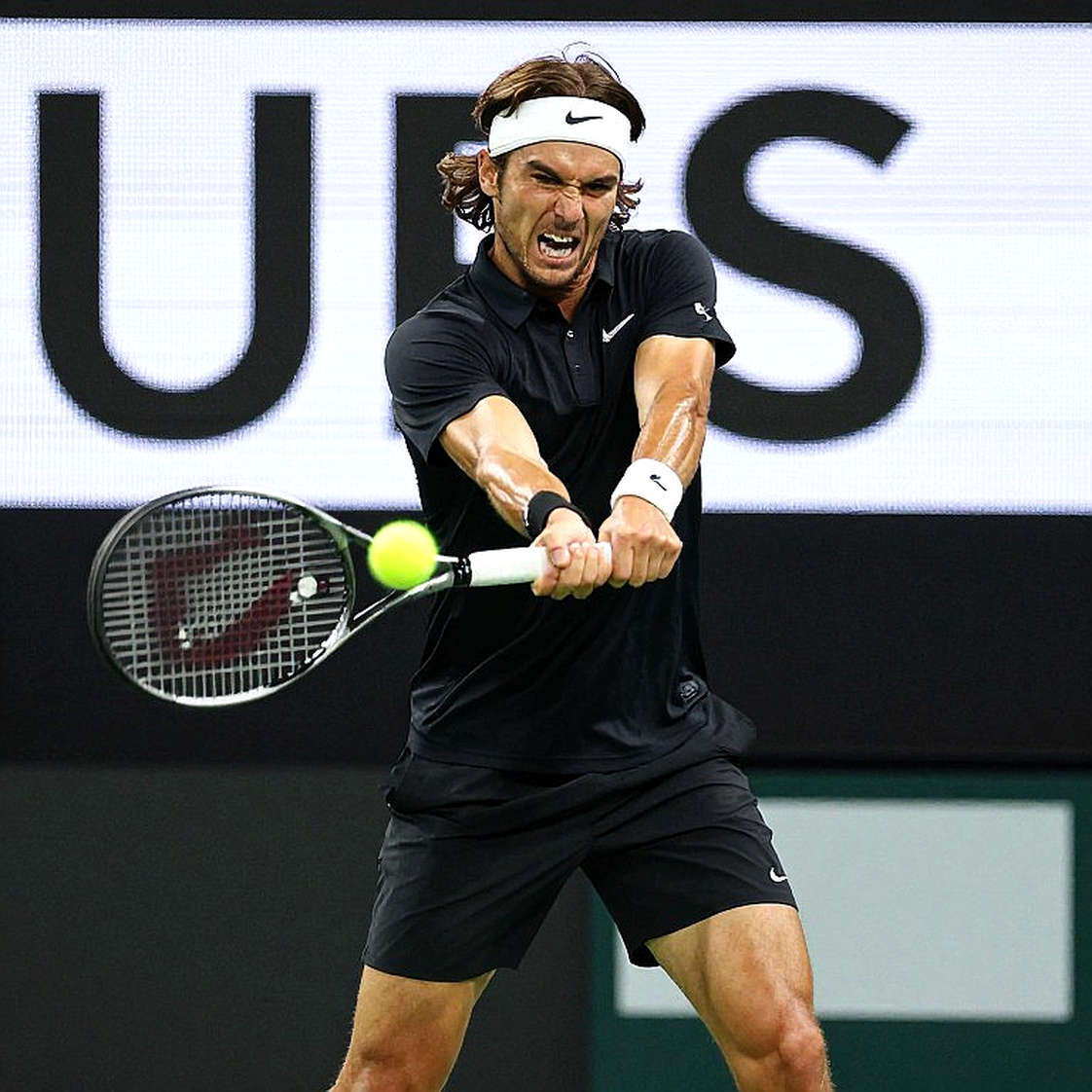
There are matches won on the pitch but lost on the data sheet — I choose the data sheet. I spent years building my own striker-valuation dataset by comparing expected-goals figures with actual goals. But that dataset only answers what a player is worth on the pitch. What a player is worth to a club's budget sits in a different table, where interest rates and exchange rates are the leading variables.
In the summer of 2026, I learned to trust something no one had yet named: xG. When Opta first published expected-goals data for Ligue 1, I did not rush to believe it. I hand-recorded more than twelve hundred shots from twenty teams across the first half of the season, then compared them with actual goals. The correlation coefficient reached 0.84, enough for me to build my own valuation dataset. That year's lesson still holds: before using a number, know its sample size, its confidence interval, and its context.
The same principle applies exactly to macro data. A 27% hike probability is a number with a sample, a method, and a source. A gold price of 4,158.63 US dollars per ounce is a number with a specific timestamp. But turning those two numbers into a claim about the transfer market requires at least one more layer of verification: data on clubs' debt structures, on the share of revenue in foreign currency, on the refinancing schedules of owning funds.
In practice, when I reviewed recent financial statements of several European clubs, I noticed a shared and telling point: the share of interest expenses in total operating costs is rising among highly leveraged clubs. This is a signal fans rarely see, but it explains why some teams unexpectedly sell a cornerstone mid-season, or suddenly refuse to renew a player everyone assumed they would keep.
The Contrarian Angle: Correlation Is Not Causation
This is the part I want to spend the most time on, because it is where the gravest errors are born. Gold rising and the transfer market slowing at the same time does not mean gold caused that slowdown. Both may be driven by a third cause: rate expectations.
A single click of a mouse carries the shape of a pass. Financial markets and the transfer market are two different systems, running at different tempos, but both respond to one type of signal: uncertainty. When uncertainty rises, both retreat. When uncertainty falls, both expand. This co-movement is the result of a shared mechanism, not a direct causal relationship.
Before drawing any conclusion, I force myself to write out at least three hypotheses explaining a phenomenon. For the gold-and-transfer story, my three are: first, both are driven by rate expectations and the link is merely indirect; second, the transfer market slowed for internal industry reasons, such as tighter financial fair play rules, and gold's rise was coincidental; third, a seasonal factor made both appear at the same time of year with no causal link.
Only after ruling out the second and third hypotheses do I allow myself to treat the monetary transmission channel as the main cause. And to this day, I keep my confidence in that channel at a low level. It exists, it is real, but its magnitude is far smaller than hasty commentary wants to paint.
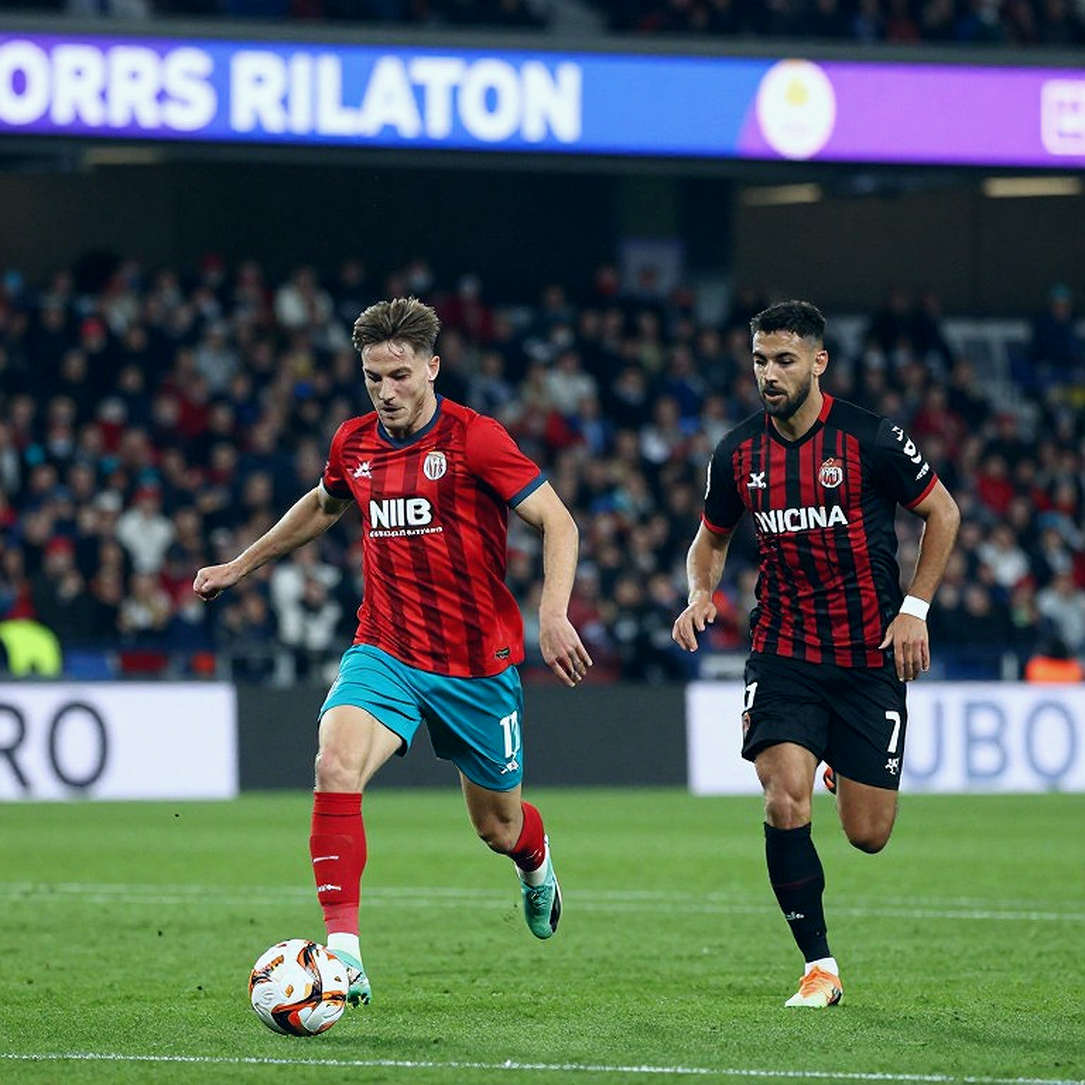
Croatia won a tournament of low PPDA? Then PPDA is just a letter. I once watched analysts worship the PPDA metric, which measures the passes an opponent is allowed before each defensive action. Then Croatia reached the 2026 World Cup final with a style that did not fit that template. A metric is not wrong, but it is just one letter in an alphabet. Interest rates and exchange rates are the same. They are important letters, but never the whole story.
What makes me even more cautious is the lag in the transmission channel. A rate change today can take eighteen to thirty-six months to surface clearly in transfer behaviour. During that time, countless other variables intervene: match results, coaching changes, league rules, commercial appeal. Attributing every transfer-market fluctuation to rates is a dangerous form of reductionism.
Necessary and Sufficient Conditions
I am known for standing outside analytical trends. When the whole profession praises a new tactical fashion, I dig through the data for offsetting variables. When the whole market clamours about the effect of interest rates on football, I do the same.
For the monetary transmission channel to truly operate and produce a measurable effect on the transfer market, I believe four conditions must hold. First, the rate environment must stay high for at least several quarters, not just one session. Second, there must be a significant share of clubs with debt structures sensitive enough to react. Third, there must be an exchange-rate move large enough to change the purchasing power of cross-border capital. Fourth, the refinancing cycles of owning funds and the transfer windows must coincide.
These four conditions rarely hold at once. When they do, the effect can be large, as has happened in past periods of sharp monetary tightening. When they do not, any link is mere inference. Distinguishing the two cases is the entire value of the work I do.
Empty stands are the finest laboratory for a data obsessive. In 2026, when football restarted after the pandemic, I analysed dozens of matches in empty stadiums and found home advantage fell sharply. It was a natural experiment, where one variable was removed and everything else held constant. I wish I had a similar laboratory for the monetary transmission channel, where everything could be held constant and only rates changed. Financial markets do not grant that.
Signals to Watch in the Next Cycle
Rather than a conclusion, I want to leave a few signals for readers to track in the coming months. The first is the movement of hike odds via the CME FedWatch Tool. If the 27% figure keeps climbing past the psychological threshold, pressure on highly leveraged clubs will rise, and the first signs may appear in delayed deals.
The second is the direction of the dollar index. A sustained strong dollar will slow deals from markets with weak domestic currencies. A weakening dollar will reopen the door for that capital. This is a variable fans can observe indirectly through whether their club can sign deals with foreign owners.

The third is the US inflation data calendar, specifically the Consumer Price Index and the Producer Price Index. Each time data comes in hotter than expected, rate expectations shift, and the cost of capital moves again. For people in the transfer business, this is a new kind of fixture list, one worth writing into the tracking journal.
Players are variables, the market is a function, but most of my life has been a constant. Gold may rise and fall, rates may go up and down, but the principle does not change: before using a number, understand how it was produced, and know which question it cannot answer. The August 12 session with gold at 4,158.63 US dollars per ounce is a small data point in a much larger story. That story does not end in a day, and it does not end on the pitch, but where money decides who is allowed into the game. What I am waiting for is not another gold session, but the moment a club is forced to tell the truth about its own cost of capital — that is the signal my data sheet is waiting for.